
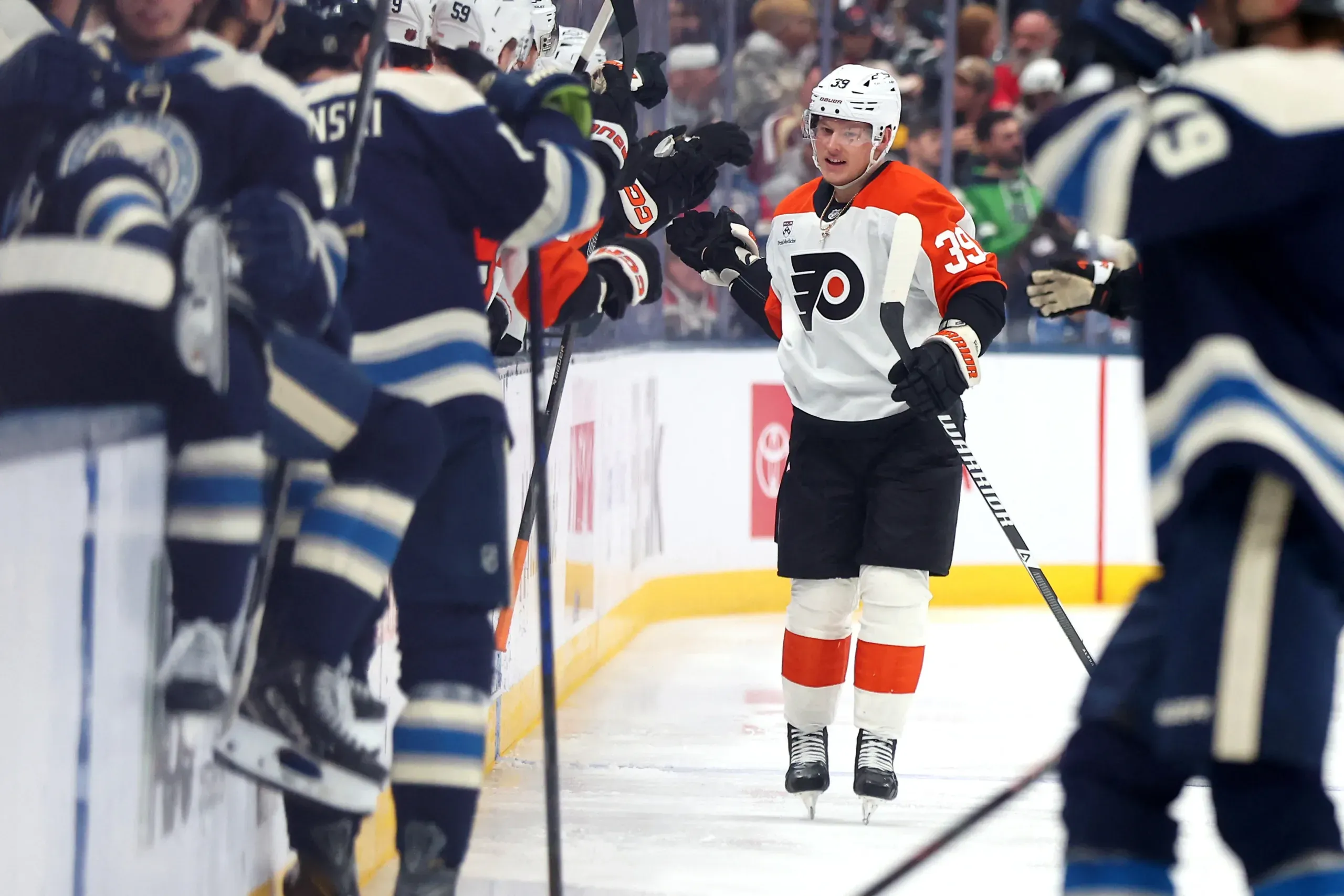
The Philadelphia Flyers made it clear this week that Matvei Michkov remains a major part of their future.
Danny Briere and Keith Jones met with the 21-year-old winger during the team’s road trip, while CEO Dan Hilferty also flew to Edmonton as the organization attempted to quiet growing speculation about Michkov’s future in Philadelphia.
But just when it appeared the situation was beginning to settle down, Elliotte Friedman provided another interesting detail that raises questions about what might be happening behind the scenes.
During Saturday night’s edition of Saturday Headlines on SportsNet in Canada, Friedman revealed that the Flyers reportedly went beyond speaking directly with Michkov. The organization also reached out to some of its younger players to get their perspective on Michkov.
“I believe they asked around to some of the younger players who are closer to Michkov’s age about how they felt about him as well. And I think the feedback was positive,” Friedman said.
On the surface, that is an encouraging development for the Flyers. Positive feedback from Michkov’s younger teammates would suggest that, despite some of the recent tension and outside speculation, his relationships within the locker room remain in a good place.
However, the revelation also raises an important question: Why did the organization feel the need to seek out those opinions in the first place?
There is nothing inherently unusual about a front office checking in with players to get a better understanding of the locker room. In fact, it is something that should happen regularly, especially with a young team.
But the circumstances surrounding Michkov make those conversations more interesting.
The Flyers are attempting to build their next competitive core around a group of young players who could be together for years. Michkov, Porter Martone, Denver Barkey, Oliver Bonk and others are expected to play significant roles in the organization’s future. Their ability to develop together, establish relationships, and hold one another accountable will be just as important as their individual talent.
That makes the locker-room dynamic something the organization cannot afford to overlook. Friedman believes the feedback was positive when Briere and company checked in with Michkov’s younger teammates. That’s certainly what the Flyers wanted to hear. But what if the conversations had produced a different response? And perhaps more importantly, what happens if frustrations begin to develop down the road?
Questions about individual roles and accountability can create tension in any locker room. Those issues can become even more complicated on a young team with veterans still controlling the majority of the major roles.
Michkov is an incredibly important piece of the Flyers’ future, but he cannot be treated as though he operates under a different set of expectations than everyone else. The same standard of accountability has to apply to him as it does to every other player in the organization.
At the same time, the Flyers have a responsibility to make sure they are providing him with the support, communication, and structure necessary to succeed.
That balance is especially important when dealing with a young player who is still adjusting to the NHL, learning the English language, and the expectations that come with potentially becoming a franchise cornerstone.
Ultimately, the Flyers handled this latest situation the right way. Rather than allowing speculation to grow, the organization’s top decision-makers made an effort to communicate directly with Michkov and better understand the relationships surrounding him.
What they couldn’t allow was for individual disagreements to develop into larger locker-room problems. Nor can they create an environment where other young players feel that certain teammates receive preferential treatment because of their perceived importance to the organization’s future.
Building a winning culture means establishing expectations that apply to everyone. It means giving young players room to grow, holding them accountable when necessary, and making sure personal frustrations never become bigger than the team’s goals.
The positive feedback Friedman described is a good starting point. But the bigger takeaway is that the Flyers recognize how important these relationships are to what they are trying to build.
Michkov’s future in Philadelphia will ultimately depend on more than his ability to produce offensively. It will also depend on how he fits into the culture the Flyers are trying to establish and how the organization manages the relationships within its young core.
The Flyers have invested heavily in Michkov’s future. Now they need to make sure that investment benefits both the player and the team.
